
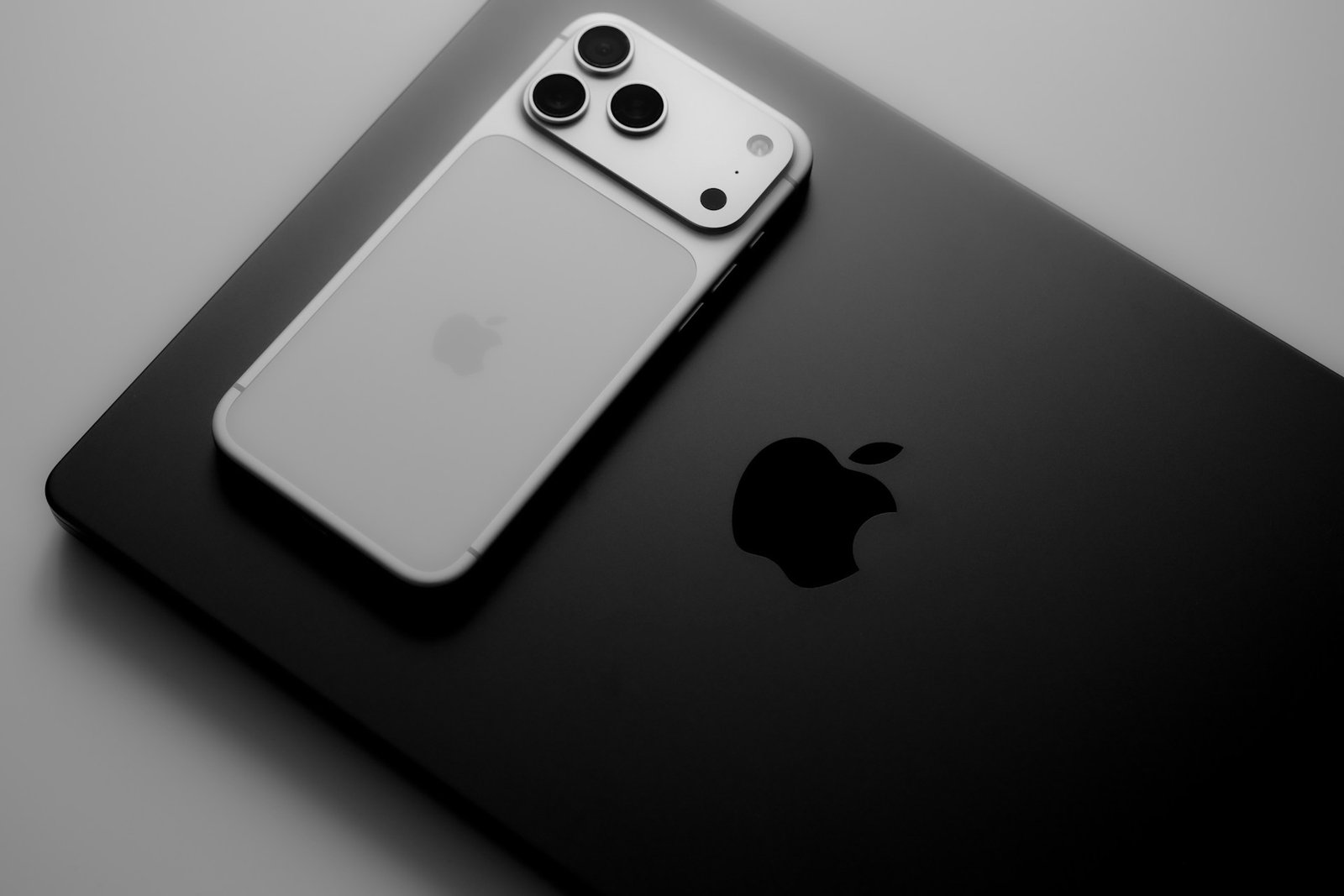
Personal computing has undergone a major transformation over the past few decades. What once required stationary machines with limited capabilities has now evolved into highly portable, powerful, and intelligent devices that shape how people work, communicate, and create.
Among all modern computing devices, laptops such as the MacBook and smartphones like the iPhone have become central to daily life. However, the most significant shift is not only in hardware capability, but in how people access and use these devices.
We are gradually moving from a model centered on ownership to one focused on flexible access and continuous usability.
The Traditional Model of Device Ownership
Historically, accessing high-performance computing devices required full ownership. Users purchased laptops or smartphones outright, often investing significant capital upfront.
This model worked well when technology cycles were slower. Devices remained relevant for longer periods, and software demands were less intensive.
However, as technology evolved, the limitations of ownership became more apparent. Devices began to depreciate faster, upgrade cycles shortened, and user needs became more dynamic.
For many users and businesses, owning devices no longer aligned with how quickly technology changes.
The Rise of High-Performance Portable Devices
The introduction of modern devices such as MacBooks and advanced smartphones significantly changed computing expectations.
Devices became thinner, faster, and more capable, enabling users to perform complex tasks such as video editing, software development, design work, and business operations from virtually anywhere.
However, this increase in capability also led to higher costs. Premium devices now require significant investment, making access more challenging for many individuals and organizations.
This gap between performance demand and affordability has driven new approaches to device usage.
The Shift Toward Flexible Access Models
As technology becomes more integrated into everyday life, access models are evolving. Instead of treating devices as long-term static assets, many users now prefer structured, flexible usage models that allow them to adapt to changing needs.
This shift is particularly relevant in environments where work is dynamic, remote, or project-based. In such cases, long-term ownership may not be the most efficient approach.
Flexible access allows users to focus on usage rather than ownership, reducing complexity while maintaining access to high-performance tools.
Lifecycle Thinking in Modern Technology
Another important shift is the growing emphasis on lifecycle management.
Modern devices are not simply purchased and used indefinitely. They go through structured phases that include deployment, usage, maintenance, updates, and eventual replacement or upgrade.
This lifecycle approach improves efficiency and ensures that devices remain in optimal condition throughout their operational use.
It also supports better resource utilization, as devices can be reused, reassigned, or refreshed based on demand.
Ecosystem Integration and User Experience
One of the defining characteristics of modern computing is ecosystem integration. Devices no longer function in isolation. Instead, they operate as part of interconnected systems where data, applications, and services move seamlessly between devices.
For example, users can begin tasks on a MacBook, continue them on an iPhone, and sync information across cloud services without interruption.
This level of integration increases productivity and reduces friction in daily workflows.
As ecosystems become more advanced, the value of having access to well-managed, consistently updated devices becomes even more important.
The Role of Managed Access in Modern Computing
With increasing complexity in both hardware and software, there is growing importance in structured device management.
Managed access models ensure that devices are maintained, updated, and optimized throughout their lifecycle. This helps users avoid issues related to performance degradation, security risks, and inconsistent configurations.
It also ensures a more predictable and reliable user experience, particularly in professional environments where consistency is critical.
The Future of Device Access
The future of personal computing is likely to be defined by flexibility, intelligence, and seamless integration.
Instead of focusing solely on owning devices, users will increasingly prioritize access to the right tools at the right time. This approach supports both individual productivity and organizational efficiency.
As devices become more powerful and ecosystems become more connected, the way people interact with technology will continue to evolve toward more adaptive and service-oriented models.
Conclusion
The evolution of personal computing reflects a broader shift in how technology is used and managed. From traditional ownership to flexible access and lifecycle-based thinking, the focus is gradually moving toward efficiency, adaptability, and continuous usability.
Devices such as MacBooks and iPhones are no longer just products. They are part of a larger ecosystem that supports modern digital life.
Understanding this shift provides insight into how computing will continue to evolve in the years ahead.