
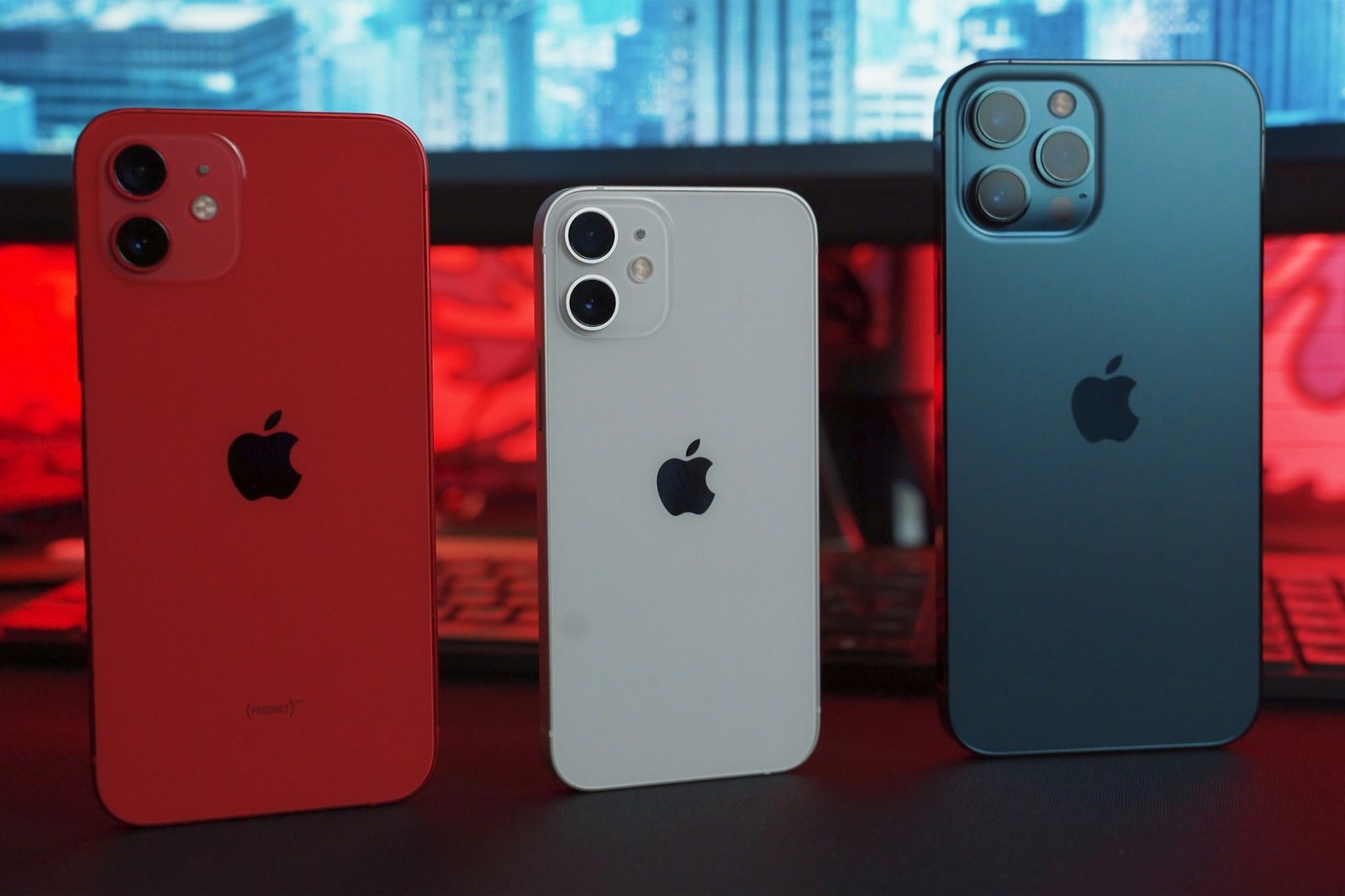
For many users, purchasing a new iPhone has traditionally been the default choice. Every few years, consumers upgrade to newer models through large upfront purchases or long-term ownership cycles.
However, as device prices continue to rise and consumer preferences evolve, more people are beginning to question whether traditional ownership is always the most practical option.
Today, flexible access models such as iPhone subscriptions and managed rental ecosystems are becoming increasingly relevant for users who prioritize convenience, accessibility, and financial flexibility.
The Rising Cost Of Premium Devices
Modern smartphones have become significantly more advanced over the years. Improved cameras, stronger processors, enhanced displays, and tighter ecosystem integration have transformed devices into essential tools for both work and personal life.
At the same time, premium devices also come with premium pricing.
For many users, paying a large amount upfront for a device may not always be ideal, especially when technology continues to evolve rapidly. By the time users fully adapt to one device, a newer generation is often already available.
This has led many consumers to rethink whether ownership itself should remain the priority.
Traditional Buying: Full Ownership, Higher Commitment
Buying an iPhone outright provides permanent ownership and complete control over the device. Some users still prefer this model because they value long-term possession and unrestricted usage.
However, ownership also comes with additional considerations.
Users are responsible for managing the full purchase cost, maintaining device condition, handling resale value, and planning future upgrades independently. Over time, devices naturally depreciate, battery performance changes, and resale demand may fluctuate depending on the market.
For users who upgrade frequently, the ownership cycle can become expensive and repetitive.
iPhone Subscription Models: A More Flexible Alternative
Subscription-based access approaches the experience differently.
Instead of requiring large upfront spending, users access devices through manageable monthly commitments. This creates flexibility while reducing the immediate financial barrier associated with premium technology.
For many users, the appeal is not simply affordability. It is convenience.
Subscription ecosystems may simplify upgrades, lifecycle transitions, operational support, and device management into a more structured experience.
This can be particularly attractive for students, young professionals, remote workers, digital creators, and short-term users.
Beyond Simple Rentals
Not all device rental experiences operate the same way.
Traditional rental platforms often focus only on short-term transactions or peer-to-peer listings. In contrast, managed subscription ecosystems are designed around operational consistency throughout the entire device lifecycle.
This may include device inspection, structured fulfillment, billing orchestration, lifecycle governance, subscription management, and operational support.
The goal is to create a more transparent and professionally managed experience rather than simply providing temporary device access.
Which Option Is Better?
The answer depends on how users prioritize flexibility, ownership, and financial commitment.
Traditional buying may still suit users who intend to keep devices for many years and prefer permanent ownership. However, for users who value adaptability, lower upfront costs, and easier lifecycle management, subscription-based access may provide a more practical alternative.
As consumer behavior continues to evolve, the future of premium technology may become less focused on ownership alone and more focused on access, flexibility, and managed experiences.