
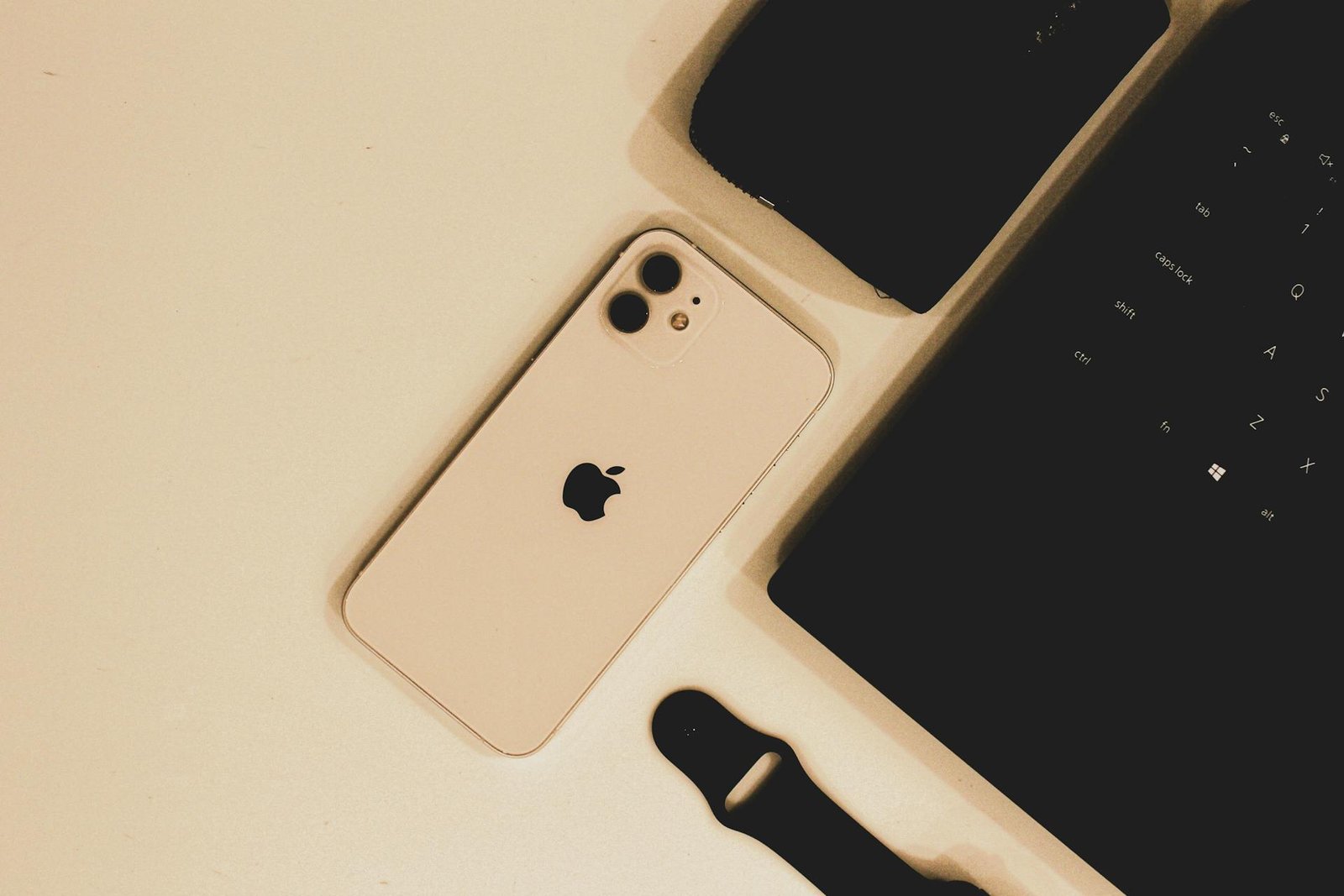
For years, purchasing a new smartphone or laptop followed a familiar process: choose a device, pay a large upfront amount, and keep it for several years before upgrading again. While this ownership model remains common, consumer behavior is gradually evolving. More users today are looking for flexibility, predictable costs, and easier access to premium technology without large financial commitments.
This shift has contributed to the growing interest in subscription-based access models, particularly for premium devices such as iPhones, iPads, and MacBooks. Rather than focusing only on ownership, many users are beginning to prioritize accessibility and convenience.
The Challenge With Traditional Device Ownership
Premium technology continues to become more powerful, but it also comes with increasing costs. Purchasing the latest devices often requires significant upfront spending, which may not always be practical for students, professionals, businesses, or users who prefer to manage expenses more predictably.
Traditional ownership can also introduce other challenges. Devices naturally depreciate over time, battery performance changes with usage, and upgrading to newer models often requires additional large purchases. For some users, the cycle of repeatedly buying and replacing devices may not be the most efficient approach.
In many situations, users do not necessarily need permanent ownership of a device. Instead, they need reliable access to the technology itself.
Access Is Becoming More Important Than Ownership
Across multiple industries, subscription-based access has become increasingly common. Entertainment shifted from purchasing physical media to streaming services. Transportation introduced ride-sharing and vehicle subscription models. Software evolved from one-time purchases to recurring subscriptions.
Technology devices are gradually following a similar direction.
Many users now value the ability to access premium devices without making a large upfront investment. Instead of paying a substantial amount immediately, subscription models provide manageable monthly commitments that can better align with personal financial planning.
This approach creates flexibility without requiring users to compromise on the quality of the technology they use.
Why Apple Devices Fit Subscription Models Well
Apple devices often have long product lifecycles, strong demand, and broad usage across personal, educational, and professional environments. Users may choose iPhones for daily communication, MacBooks for productivity, or iPads for mobility and creative work.
However, many users also prefer to upgrade as technology evolves rather than remain committed to a single device for several years.
A subscription approach can provide several practical advantages:
Lower Upfront Commitment
Users can access premium devices without paying the full purchase value immediately, making technology more accessible to a wider audience.
Greater Flexibility
Needs change over time. A student may require a different device after graduation. A professional may need greater computing performance as work requirements evolve. Subscription models may allow users to adapt more easily without restarting the purchasing cycle from the beginning.
Predictable Costs
Large one-time purchases can sometimes be difficult to plan around. Subscription structures create more predictable monthly commitments that are easier to manage.
Reduced Lifecycle Complexity
Managing repairs, upgrades, replacements, and transitions between devices can become easier when operational workflows are built into the service experience.
Moving Beyond Traditional Rental Models
When people hear the word “rental,” they often imagine short-term gadget borrowing or listing platforms where owners and users connect directly.
However, modern device ecosystems can operate differently.
Instead of functioning purely as a listing marketplace, managed subscription environments focus on maintaining operational consistency throughout the device lifecycle. This may include quality inspections, structured fulfillment processes, billing management, lifecycle support, and device governance systems.
The goal is not simply to provide temporary access to devices. It is to create a more structured and predictable technology experience.
The Future Of Device Access
Technology continues to evolve rapidly, and the ways people access devices are evolving alongside it.
Ownership will remain important for many users, but flexibility, accessibility, and operational convenience are becoming increasingly valuable considerations. For users who prioritize adaptability and predictable experiences, subscription-based access may become a practical alternative to traditional purchasing.
As expectations continue to shift, the future may focus less on simply owning technology and more on creating better ways to access and manage it.