
Every year, Apple’s Worldwide Developers Conference offers a glimpse into where the company is heading. Some years focus on design. Others focus on performance, hardware, or ecosystem expansion.
WWDC 2026 felt different.
Rather than introducing a single breakthrough feature, Apple spent much of the event demonstrating how artificial intelligence is becoming a foundational layer across its software platforms. The announcements surrounding iOS 27, Siri, Apple Intelligence, Photos, Safari, and system-wide productivity tools all pointed toward the same objective: creating devices that can understand context, reduce manual effort, and assist users more proactively.
The event was less about what the iPhone can do and more about how the iPhone may begin doing more on behalf of its users.
The Shift Away From Traditional Smartphone Innovation
For years, smartphone innovation was easy to measure. Manufacturers competed through larger displays, better cameras, faster processors, improved battery life, and thinner designs. These upgrades were tangible and immediately visible.
Today, however, many flagship smartphones have reached a level of maturity where hardware improvements alone no longer create dramatic differences in daily usage. Apple appears to recognize this reality.
Instead of focusing solely on specifications, the company is investing heavily in intelligence, automation, and contextual computing. The next generation of smartphone innovation may not be defined by the device itself, but by how effectively it understands and supports the person using it.
WWDC 2026 reinforced this direction throughout nearly every major announcement.
iOS 27 Is Designed Around Reducing Friction
One of the most important updates introduced during the event was iOS 27. While some users may initially view it as a routine operating system upgrade, its significance lies in how deeply intelligence has been integrated throughout the experience.
Apple’s goal appears to be reducing the number of steps required to complete everyday tasks. Rather than requiring users to manually navigate between apps, settings, and workflows, the operating system is becoming increasingly capable of understanding context and providing assistance at the right moment.
This philosophy can be seen throughout the system, where automation and intelligent recommendations are becoming standard components rather than optional features. The result is a user experience that feels less reactive and more adaptive.
Siri Is Finally Becoming What Users Expected Years Ago
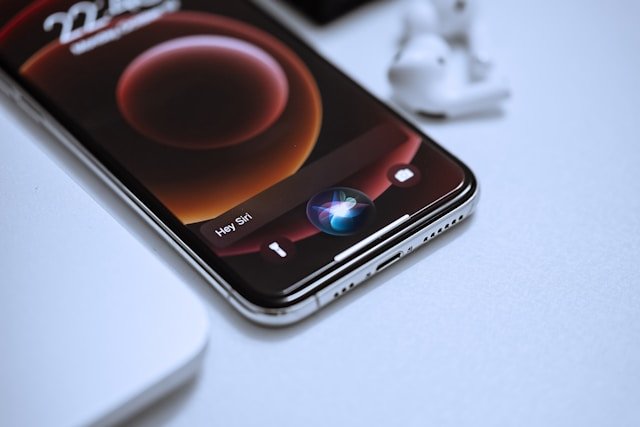
Perhaps the most anticipated announcement from WWDC 2026 was the evolution of Siri. Since its launch, Siri has often been viewed as an assistant with enormous potential but inconsistent execution. While useful for simple commands, it struggled with more complex requests and contextual understanding. Apple’s latest update aims to change that perception.
The new Siri is designed to operate with significantly greater awareness of user context, personal information, and app interactions. Instead of treating each request as an isolated command, Siri can now understand relationships between tasks and information sources. This allows for more natural conversations and more meaningful assistance. Rather than simply answering questions, Siri is gradually evolving into an intelligent interface that helps users navigate their digital lives. For many observers, this represents one of the most important developments announced during the event.
Apple Intelligence Is Expanding Beyond Individual Features
A common mistake when evaluating AI announcements is focusing only on individual capabilities. The bigger story from WWDC 2026 is how Apple Intelligence is being woven throughout the ecosystem.
Photos, Safari, Messages, Passwords, Notes, and other applications are all becoming more intelligent. Instead of requiring users to seek out AI tools, intelligence is increasingly embedded within everyday experiences. This approach aligns with Apple’s traditional product philosophy.
The company rarely succeeds by introducing entirely new categories first. Instead, it often excels at integrating technologies into products in ways that feel seamless and accessible. Artificial intelligence appears to be following the same path. Users may not even think about whether they are using AI. They will simply notice that tasks become easier, faster, and more intuitive.
Photography Is Becoming More Computational Than Ever
The Photos application received several enhancements during WWDC 2026, continuing a trend that has shaped smartphone photography for years. Modern smartphone cameras are no longer defined solely by hardware. Increasingly, image quality depends on software processing and computational intelligence.
Apple’s latest tools allow users to perform sophisticated edits with minimal effort. Tasks that previously required professional editing skills can now be completed automatically through intelligent suggestions and generative capabilities. This shift reflects a broader trend within consumer technology. Rather than asking users to learn complex tools, software is increasingly adapting to users and simplifying creative workflows. Photography is becoming less about technical expertise and more about expressing ideas.
Privacy Remains Central To Apple's Strategy
Despite the company’s growing investment in artificial intelligence, Apple continues to emphasize privacy as a core principle. This distinction is important because AI systems often require large amounts of data to function effectively.
Throughout WWDC 2026, Apple repeatedly highlighted its approach to balancing intelligence with user control. On-device processing, transparency, and permission management remain central themes within the ecosystem. This strategy allows Apple to differentiate itself from competitors while addressing growing concerns about data collection and digital privacy.
As AI becomes more deeply integrated into everyday devices, trust may become just as important as capability.
The Ecosystem Advantage Continues To Grow
Another theme that emerged from WWDC 2026 is the increasing importance of Apple’s ecosystem. Many of the newly announced capabilities work best when multiple Apple devices operate together. Information can flow more naturally between devices, applications can share context more effectively, and intelligent features can leverage data across the ecosystem. This creates a connected experience that extends beyond the iPhone itself.
The company’s long-term strategy appears focused on making its products feel less like separate devices and more like components of a single intelligent environment. As integration deepens, the value of the ecosystem may become even more significant than individual hardware specifications.
What WWDC 2026 Means For The Future
Looking beyond the specific announcements, WWDC 2026 provides insight into how Apple views the future of personal computing. The company appears to believe that technology should become increasingly invisible. Users should spend less time managing devices and more time accomplishing goals.
Artificial intelligence plays a central role in that vision. Instead of asking users to learn new systems, future software may adapt to user behavior, anticipate needs, and simplify complexity behind the scenes.
The transition will likely happen gradually, but WWDC 2026 suggests that Apple has already begun laying the foundation.
Conclusion
WWDC 2026 was not defined by a single headline feature or revolutionary product launch. Instead, it showcased a broader transformation occurring across Apple’s software ecosystem. From Siri and Apple Intelligence to Photos, productivity tools, and system-wide automation, the company’s direction is becoming increasingly clear.
The future of the iPhone may not be determined by how powerful the hardware becomes. It may be determined by how intelligently the software works on behalf of the user. If WWDC 2026 is any indication, Apple believes the next era of computing will be less about operating devices and more about collaborating with them.