
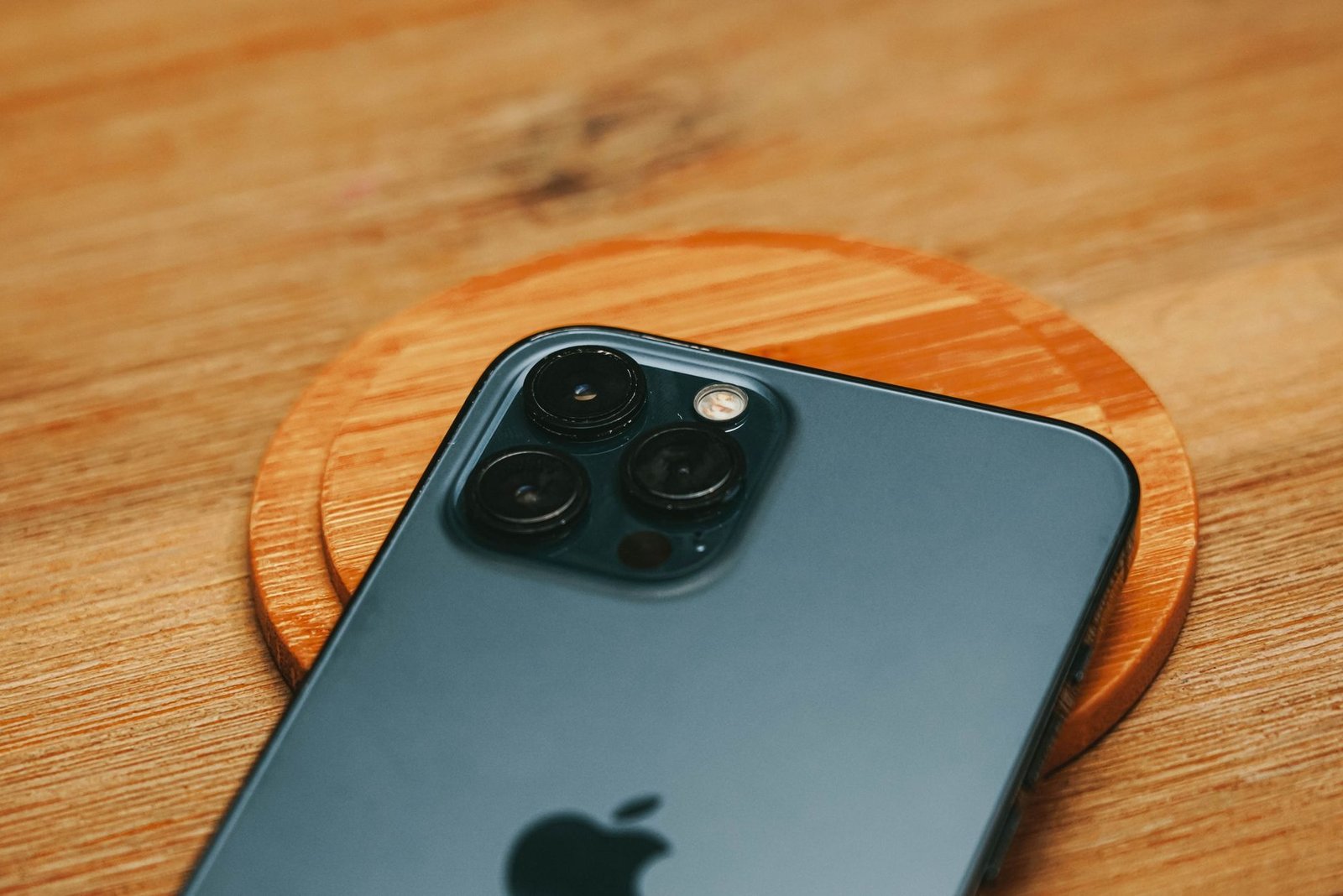
More than fifteen years after its introduction, the iPhone remains one of the most recognized and widely used smartphones in the world. While the smartphone market has become increasingly competitive, Apple’s flagship device continues to attract millions of users across different age groups, professions, and lifestyles.
The success of the iPhone is not simply the result of strong marketing or brand recognition. It is the combination of hardware quality, software optimization, security, ecosystem integration, and long-term support that has allowed the iPhone to maintain its position in the market year after year.
Today, the iPhone is more than just a communication device. It has become an essential tool for productivity, entertainment, photography, education, navigation, and digital lifestyle management.
A Different Approach to Smartphone Design
One of the key factors behind the iPhone’s popularity is Apple’s approach to product design. Rather than focusing solely on technical specifications, Apple emphasizes the overall user experience.
Every aspect of the device is designed to work together seamlessly. The hardware, software, applications, and services are developed as parts of a single ecosystem rather than separate components.
This approach creates a more consistent experience for users. Features behave predictably, interfaces remain familiar, and devices often feel intuitive even for people who are not particularly tech-savvy.
As a result, many users find the iPhone easy to learn, comfortable to use, and reliable over long periods of ownership.
The Advantage of Hardware and Software Integration
Unlike many smartphone manufacturers, Apple controls both the hardware and software of the iPhone.
Apple designs its own processors, develops the iOS operating system, and optimizes applications specifically for its devices. This level of integration allows the company to fine-tune performance in ways that are difficult for competitors to replicate.
The result is a device that often feels fast and responsive even years after release. Applications launch quickly, animations remain smooth, and battery performance is generally optimized around the hardware configuration.
This tight integration is one of the reasons many users report that older iPhones continue to perform well long after purchase.
The Strength of the iOS Operating System
The iPhone runs on iOS, Apple’s mobile operating system. Over the years, iOS has evolved into one of the most mature and stable smartphone platforms available.
A major strength of iOS is its consistency. Whether someone uses a standard iPhone model or a premium Pro model, the overall experience remains largely the same. This consistency helps reduce confusion and makes switching between devices easier.
Apple also provides software updates for many years. Unlike some smartphones that receive limited long-term support, iPhones often continue receiving major updates and security patches well beyond their initial release.
This long-term software support helps extend device lifespan while ensuring users continue to benefit from new features and security improvements.
Privacy and Security
Security has become increasingly important in today’s digital world, and the iPhone has built a strong reputation in this area.
Apple places significant emphasis on protecting user data and privacy. Features such as Face ID, biometric authentication, encrypted messaging, and app permission controls help users maintain greater control over their information.
The company has also introduced various privacy features that provide more transparency regarding how applications collect and use data. Users can review permissions, limit tracking, and control access to sensitive information such as location, contacts, photos, and microphones.
For many individuals and businesses, this focus on privacy has become a major reason for choosing the iPhone.The Evolution of iPhone Cameras
The smartphone camera has become one of the most important features for modern users, and the iPhone has consistently been at the forefront of mobile photography.
While camera hardware continues to improve each year, much of the iPhone’s photography performance comes from Apple’s computational photography technologies. Advanced image processing helps enhance colors, detail, lighting, and overall image quality automatically.
Features such as Night Mode, Portrait Mode, Smart HDR, and Cinematic Video allow users to capture high-quality content without requiring professional photography skills.
For many people, the iPhone has effectively replaced standalone cameras for everyday photography and content creation.Performance and Processing Power
Apple’s custom-designed processors have become one of the strongest advantages of the iPhone.
Each new generation of Apple silicon delivers improvements in speed, efficiency, and machine learning capabilities. These processors are designed specifically for Apple’s devices, allowing them to deliver impressive performance while maintaining energy efficiency.
Whether users are browsing the web, editing videos, playing games, or running productivity applications, modern iPhones are capable of handling demanding workloads with ease.
This level of performance contributes significantly to the device’s longevity, allowing users to keep their phones for several years without experiencing major slowdowns.
The Apple Ecosystem
One of the most unique aspects of owning an iPhone is access to the broader Apple ecosystem.
Apple products are designed to work together seamlessly. Features such as AirDrop, iCloud synchronization, Handoff, Universal Clipboard, and Apple Watch integration create a connected experience across multiple devices.
For example, a user can start writing an email on their iPhone and continue it on a MacBook. Photos captured on an iPhone can automatically appear on an iPad. Messages, contacts, and files remain synchronized across devices through iCloud.
This ecosystem creates convenience and efficiency that many users find difficult to replicate elsewhere.
Battery Life and Long-Term Reliability
Battery performance is another important consideration when evaluating a smartphone.
Modern iPhones combine efficient processors with software optimization to maximize battery life. Features such as Optimized Battery Charging help reduce battery wear over time, while power management technologies improve efficiency during everyday usage.
Although all rechargeable batteries degrade naturally, many users find that iPhones continue to deliver reliable battery performance for several years when properly maintained.
Combined with Apple’s long-term software support, this contributes to the overall durability and longevity of the device.
Why iPhones Hold Their Value
One notable characteristic of the iPhone is its ability to retain value over time.
Compared to many smartphones, iPhones often experience slower depreciation. Strong demand, long software support cycles, and consistent performance contribute to healthy resale values in both local and international markets.
This means users can often recover a larger portion of their original investment when upgrading to a newer model.
As a result, the total cost of ownership may be lower than many people initially assume.
The Future of the iPhone
The iPhone continues to evolve with advancements in artificial intelligence, machine learning, connectivity, photography, and user experience design.
Future developments are expected to focus on smarter software experiences, improved battery efficiency, more advanced camera capabilities, and deeper integration across Apple’s ecosystem of devices and services.
As technology becomes increasingly connected, the iPhone is likely to remain a central hub for communication, productivity, entertainment, and digital lifestyle management.
Conclusion
The iPhone’s success is not built on a single feature or specification. Instead, it is the result of a carefully integrated combination of hardware, software, security, ecosystem connectivity, and long-term support.
While competitors continue to introduce impressive innovations, the iPhone remains a benchmark for what many users expect from a modern smartphone. Its balance of simplicity, performance, reliability, and user experience continues to make it one of the most popular consumer technology products in the world.
For millions of users, the iPhone is more than a phone. It is an essential tool that supports everyday life, work, creativity, and communication.